Pipe leaks & burst pipes
A supply-line leak or burst pipe can affect nearby cabinets, floors and wall cavities. Cleanup and drying focus on the materials reached by water after the source is controlled.
Supported indoor leaks & overflows
Water from a pipe, appliance or fixture can spread into flooring and wall materials. Explore moisture assessment, water extraction, controlled drying and cleanup after supported indoor water sources.
For indoor water cleanup
Call (678) 331-3135Independent participating providers.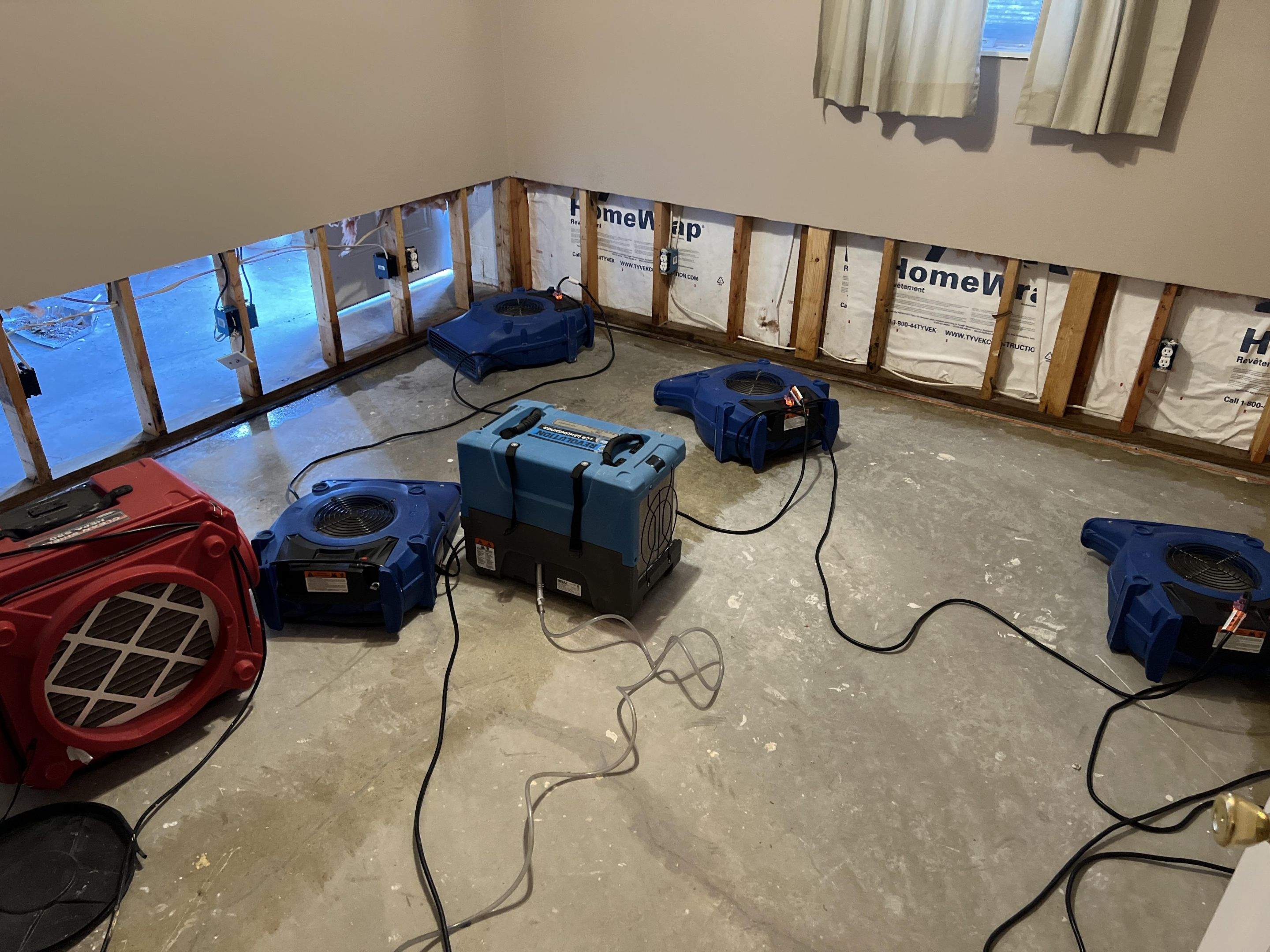
Residential service scope
Visible water is only part of an indoor water event. The source, affected materials and moisture readings shape the cleanup and drying work.
A supply-line leak or burst pipe can affect nearby cabinets, floors and wall cavities. Cleanup and drying focus on the materials reached by water after the source is controlled.
Water from a washing machine, dishwasher, sink or other supported fixture can move beyond the immediate area. The source and affected surfaces influence the cleanup approach.
Moisture meters and other inspection methods help locate affected materials. Walls and flooring that appear dry on the surface may still retain moisture underneath.
Extraction equipment removes accessible water from affected surfaces and some soft materials. This can reduce the amount of moisture left for the drying equipment to manage.
Air movers and dehumidifiers work together to encourage evaporation and remove moisture from the air. Equipment placement follows the materials and room conditions.
Cleaning and the handling of affected materials depend on the water source, condition and exposure. Some materials may be dried; others may require removal as part of the work.
Call about supported indoor water extraction, drying and cleanup.
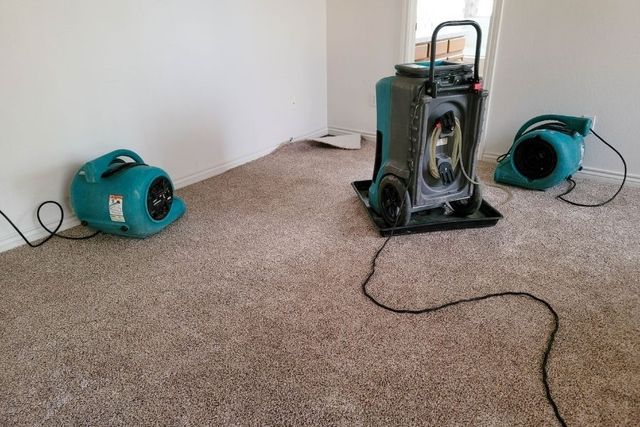
Drying inside a room
Air movers direct airflow across damp surfaces. A dehumidifier removes moisture from the room’s air, helping support continued evaporation from affected materials.
Placement and run time depend on the room, materials and moisture readings. A surface that feels dry does not, by itself, establish that the drying work is complete.
Helpful answers
Yes. Water can move under flooring, along wall edges and into porous materials. Moisture assessment helps determine which areas are affected beyond what can be seen.
Outdoor air conditions and the affected materials vary. Controlled drying uses equipment and moisture checks to manage the room rather than assuming ventilation alone will be enough.
Not always. The water source, material type, condition and time wet affect whether a material can be cleaned and dried or needs removal. A provider must assess the situation.
There is no single drying time. The amount of water, affected materials, access, room conditions and measured progress all influence the duration.
A phone connection for your home
Call for service after a supported pipe leak, appliance overflow or fixture overflow. Provider scope and availability vary.