Ants & cockroaches
Kitchen food residue, open containers and moisture can support activity. Treatment may combine targeted methods with attention to the paths and areas where these pests are found.
Household pests & termite concerns
Explore service for common household pests and the conditions that allow them indoors. Treatment starts with identifying the pest, where it is active and how it is reaching food, moisture or shelter.
For household pest service · Independent providers; availability varies.
Residential service scope
Pests treated may include the household types below. Actual pest coverage and treatment methods vary by participating provider.
Kitchen food residue, open containers and moisture can support activity. Treatment may combine targeted methods with attention to the paths and areas where these pests are found.
Storage areas, door gaps and sheltered corners can provide access or hiding places. A provider can consider activity indoors together with entry conditions around the home.
Small openings and accessible food can attract mice indoors. Service may include identification, control methods and attention to entry points, with scope set by the provider.
Quiet closets and stored materials need a different approach than a busy kitchen. Fabric storage, paper clutter, humidity and the specific pest help determine treatment.
Damp areas and gaps near ground-level entrances can contribute to indoor sightings. Moisture conditions and entry routes are useful parts of the assessment.
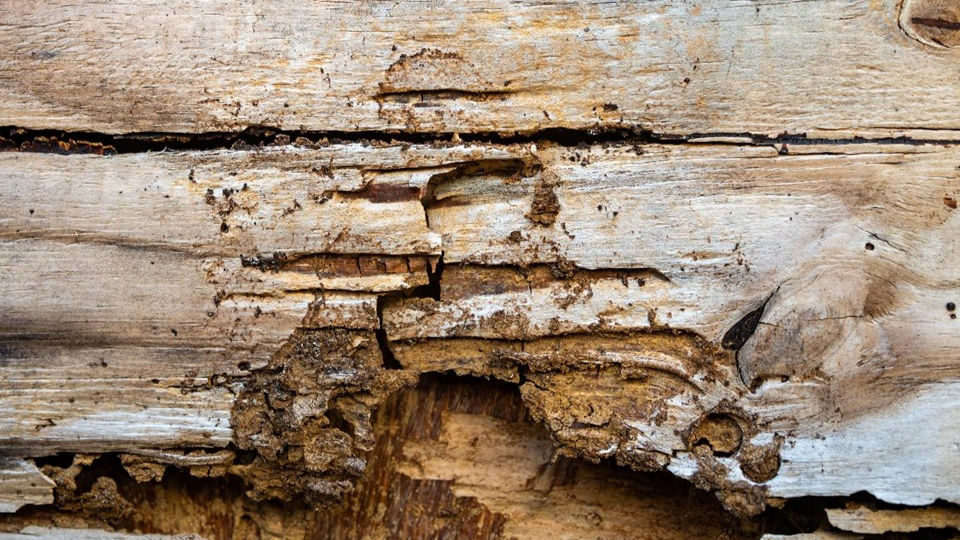
Mud tubes, discarded wings and changes in wood can be reasons for a termite inspection. Identification and the building’s construction guide any treatment offered.
Connect about the pest and treatment options available in your area.
Termite inspection
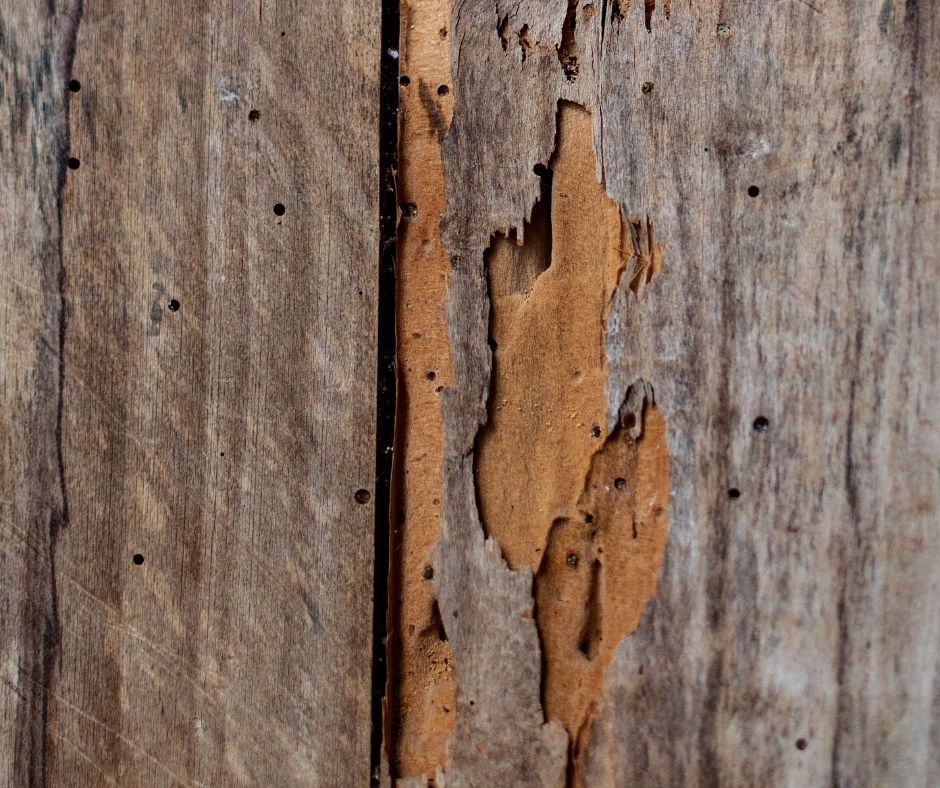
Channels and hollowed areas in wood can warrant a closer inspection. A photograph alone cannot confirm whether termites are present or whether activity is current.
An inspection can consider visible wood, accessible structural areas, soil contact and moisture conditions. Treatment choices depend on the identification, construction and extent of activity.
Food, fabrics & moisture
Clean residue around cabinets and appliances and store dry goods in closed containers.
Keep stored textiles clean and dry, and reduce undisturbed paper or fabric clutter.
Dry cabinet interiors and address persistent moisture that can invite activity.
Entry points & wood
Keep pantry food sealed and check accessible gaps around utility entries.
Door seals, screens and dry storage areas can reduce common entry and hiding places.
Keep accessible wood and soil conditions visible where practical for a focused assessment.
Helpful answers
Different household pests have different food sources, hiding places and habits. Identification helps a provider choose a relevant treatment rather than relying only on the room where activity appears.
Yes. Pantry conditions and fabric storage support different household pests. The affected material and the identified pest influence cleaning, storage and treatment recommendations.
No. Wood changes alone do not establish the cause or whether activity is current. A termite inspection is needed to evaluate the signs and accessible areas.
No single schedule fits every situation. The pest, extent of activity, access and treatment method influence whether additional visits are part of the service.
A phone connection for your home
Call for participating pest-control options. Pests treated and treatment availability vary by provider.